Kyoto Ryokan Secrets: Architecture, Silence, and Living Heritage
By Kenji Takahashi • Published October 14, 2024 • 9 min read
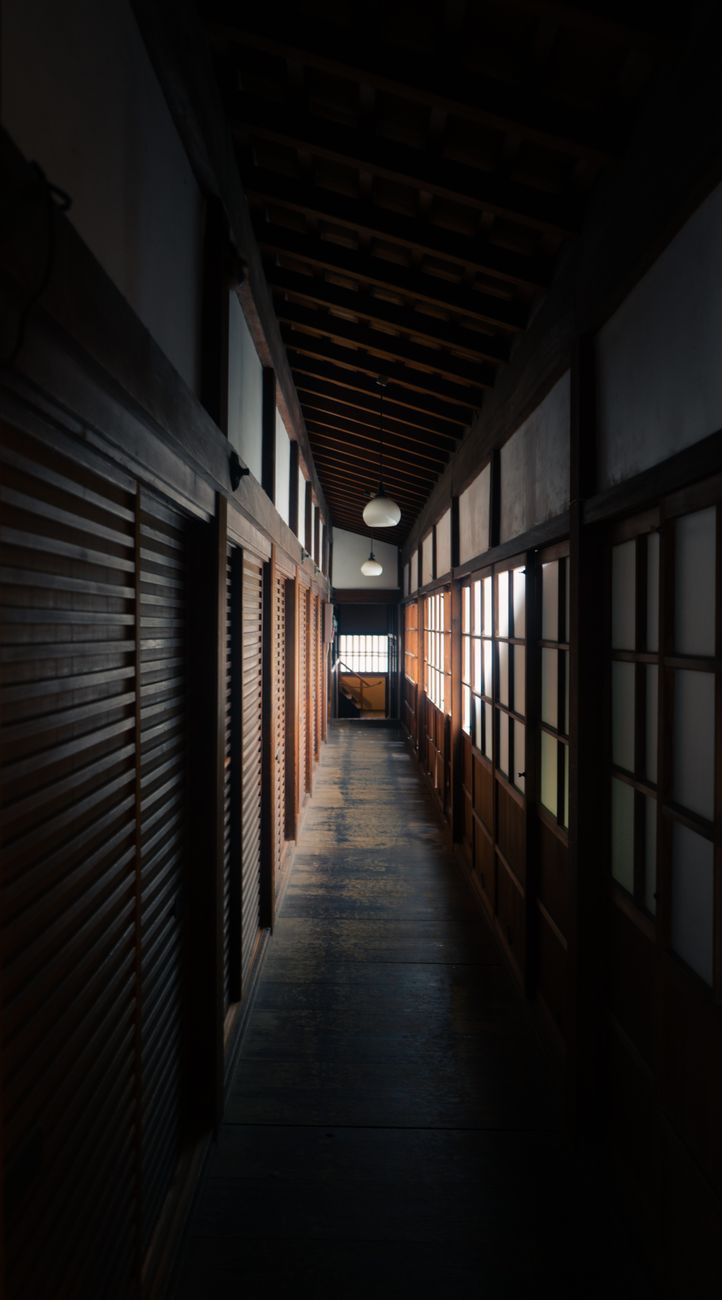
When the wooden lattice sliding door clicks shut against the evening murmur of Gion, the acoustic landscape shifts completely. In a traditional Kyoto ryokan, silence is not merely an absence of noise; it is an intentionally cultivated design element constructed across centuries.
The Geometry of Tatami and Cedar
Entering the sukiya-style quarters of a historic inn demands an unlearning of modern haste. Shoes are removed at the polished chestnut genkan, replaced by soft slippers, and discarded entirely upon ascending the tatami thresholds. The mats, woven from fresh rush grass and bound in dark linen, determine the proportions of every wall, window, and low alcove (tokonoma).
Rather than dominating the space with heavy furnishings, the architecture creates an uncluttered frame for natural light. Paper shoji screens diffuse the changing afternoon weather, transforming gray rain showers into soft luminous gradients across cedar pillars.
“The Japanese room does not impose itself upon the traveler. It offers empty space so that the mind may finally cease its restless cataloging.”
Kaiseki: Seasonal Micro-Narratives
In the evening, dinner arrives course by course directly inside your chamber. Kaiseki ryori is often described simply as multi-course dining, yet in its traditional execution it represents an edible calendar. Dishes reflect not merely autumn or winter, but micro-seasons lasting barely two weeks: grilled sweetfish caught in nearby mountain rivers, gingko nuts roasted over charcoal, and delicate broth infused with wild matsutake mushrooms.
Each ceramic bowl and lacquer tray is selected to complement the specific ingredients and weather outside, demonstrating an intimate dialogue between kitchen and environment.
Practical Etiquette for the Mindful Visitor
- Arrive strictly at your designated check-in window (usually between 15:00 and 17:00) to allow staff to prepare your room for evening tea.
- Always bathe thoroughly at the wooden shower stations before submerging into the communal cedar or stone onsen pool.
- Treat tatami mats with delicate care: never roll wheeled suitcases across woven rush surfaces.
Preserving Kyoto's architectural heritage requires responsible patronage. Choosing historic family-run establishments over anonymous modern high-rises ensures that traditional carpenters, plasterers, and tea masters can sustain their historic craft for another generation.
Inspired to Experience Authentic Kyoto?
Our editors have compiled a private dossier of family-run ryokans accepting international reservations.